Legal vs. Illegal Street Art: A Beginner's Guide for Curious Visitors
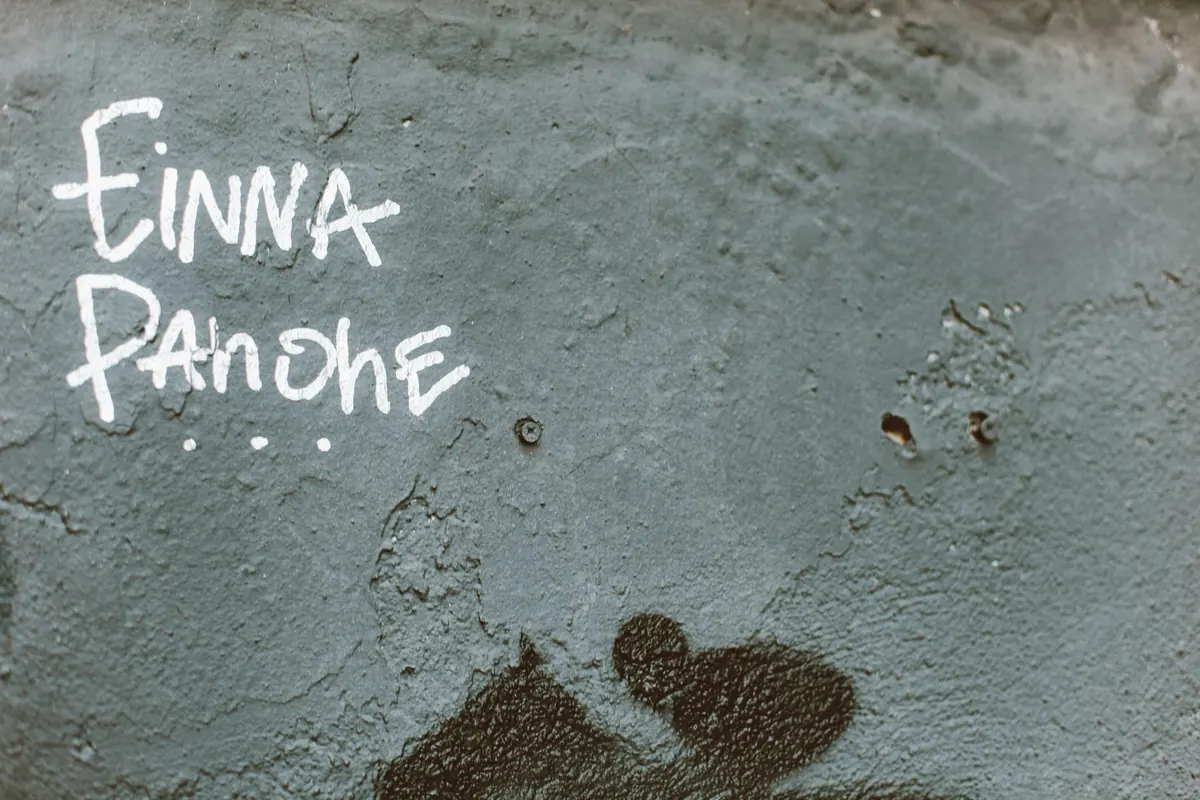
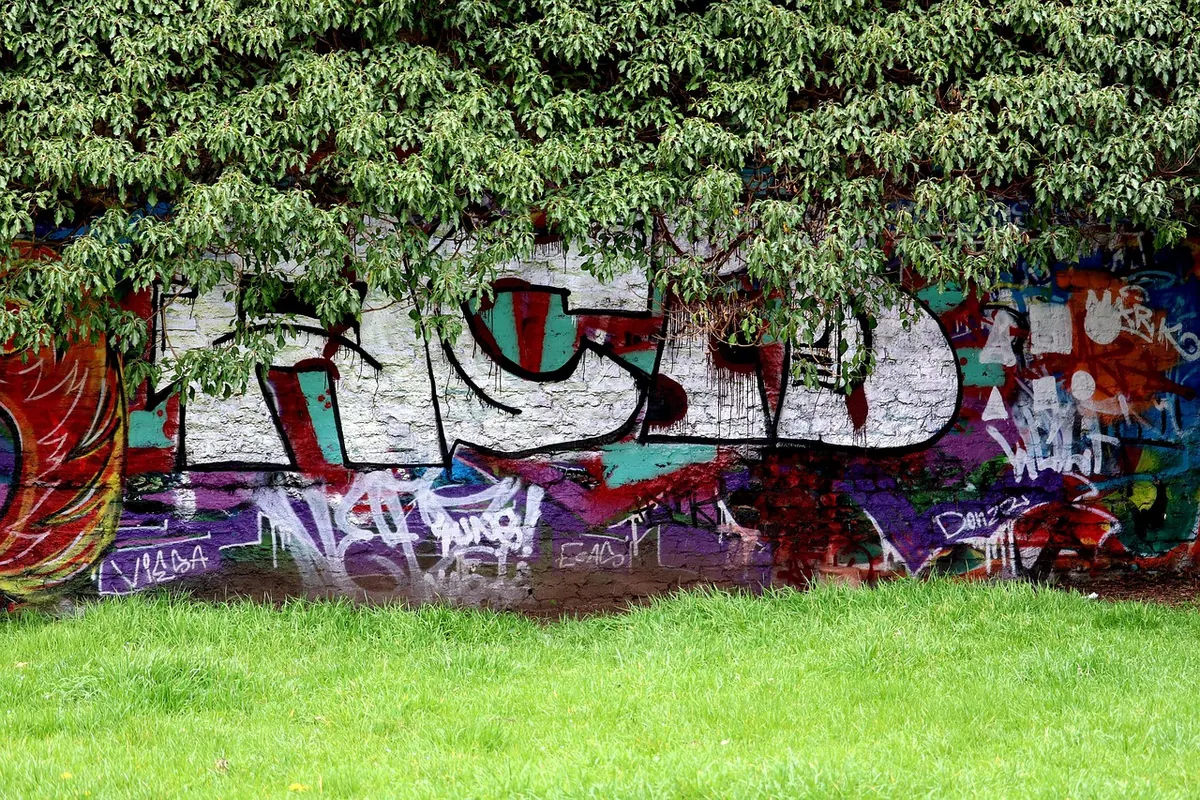
Two walls, same street. On the left, a four-metre portrait of a grandmother holding a pigeon: crisp edges, primed surface, a small plaque at eye level naming the artist and the neighbourhood association that funded it. On the right, three letters in silver marker and a grey smear where someone tried to scrub them away. Both get called street art. But they were made under completely different conditions, and those conditions are part of what each one means.
Knowing whether a piece was painted with permission won't tell you whether it's any good. It will tell you who it was made for, how long it was built to last, and what kind of conversation it's having with the street around it. That's usually the part visitors miss.
The Three Arrangements You'll Actually Encounter
Most work on walls falls into one of three relationships between artist and surface. Once you can tell them apart, a walk through any city gets considerably more interesting.
- Legal walls. A surface where painting is explicitly allowed, usually with conditions attached. These are set up by municipalities, housing associations, cultural centres, festivals, or a private owner who simply likes having artists around.
- Commissions. Paid work. Someone — a shop, a council, a developer, a school — agrees a fee, a design and a timeline with the artist. The result is a mural in the professional sense, even when it looks wild.
- Unauthorized work. Painted without the owner's consent. This is the category that carries legal risk, and the one where the conditions of making shape the look of the thing more than any sketch ever could.
The categories blur more than guidebooks admit. An artist might have a warm verbal yes from a shopkeeper but no permit, which satisfies the owner and nobody else. A wall can be legal for the duration of a festival and illegal on Monday morning. And plenty of celebrated pieces that look like midnight trespassing were painted at 10 a.m. with a coffee in hand.
Legal Walls: Permission With Conditions
Legal walls are rarely a free-for-all. Organisers usually want a rota of artists, a standard of finish, and neighbours who aren't going to complain. Conditions might include registering in advance, painting within set dates, staying below a certain height, submitting a sketch, avoiding certain content, or using paint supplied by the project.
Two details give these walls away. The first is preparation: primer, taped edges, a smooth panel fixed over crumbling plaster. That takes time and money, which permission provides. The second is a paper trail — a plaque, a festival banner, a QR code, a credit line at the bottom of the wall, or the artist's own posts documenting the work in progress.
Expect rotation. Many legal walls are repainted every season or every few years, so the piece you loved in 2022 may be gone not because it was scrubbed off in a purge, but because the wall is a programme with a schedule. That's worth knowing before you write a mournful caption about censorship.
Commissions: When Someone Is Paying
A commission is a mural with a client. The artist gets a fee and materials, and usually a brief: a palette that suits the building, a theme tied to the neighbourhood, an image that won't upset the tenants. Larger works bring scaffolding, lifts, permits, insurance and sometimes a road closure — which is why scale often signals budget rather than daring.
None of that makes the work cynical. Plenty of artists do their most ambitious work on commission, precisely because someone paid for the wall to be prepped properly and gave them three weeks instead of three hours. But it does change the question you should be asking. Instead of "what is the artist saying?", try "who wanted this here, and what do they get from it?" A mural on a construction hoarding warms up a building site. A mural on a shop shutter discourages tagging and photographs well on Instagram. A mural in a neighbourhood where rents are climbing is doing several things at once, some of them uncomfortable.
Naming the patronage isn't an accusation. It's just honest reading — the same way you'd note that a portrait in a museum was painted for a duke.
Unauthorized Work: Speed, Secrecy and Risk
Work made without permission is shaped by constraint. It happens fast, at hours when nobody is watching, with whatever fits in a bag. That's why you see so many quick tags, single-colour rollers, stencils and small paste-ups, and comparatively few five-day figurative murals on railway arches.
What the consequences actually are depends enormously on where you're standing. Penalties for painting without consent vary between countries and even between neighbouring cities, they change with local politics, and enforcement is uneven — a wall that gets ignored for years can suddenly attract attention. If you're the one holding the can, or the one owning the wall, check your local rules or take proper advice rather than trusting a forum thread from 2016.
Placement becomes part of the statement. A piece high on a bridge support, or facing a police station, or on the side of an empty building everyone walks past, is a decision about visibility and access. And unauthorized work usually doesn't last: it gets buffed, overpainted, weathered, or covered by the next person. That brevity isn't a flaw in the piece. It's a property of it, and often the point.
Why Legality Changes How You Read a Piece
Same image, different circumstances, different meaning. Run through these questions in front of any wall:
- Who asked for this? A tenant, a landlord, a council or nobody — each answer tells you who the intended audience is.
- Who could object? Permission means someone with authority said yes. Its absence means the work exists partly as a disagreement with that authority.
- How long was it meant to last? A protected commission might be designed to survive a decade. A quick throw-up assumes it will be gone by winter.
- What did the artist risk? Time, money, a fine, worse. Risk shows up in the brushwork as clearly as any signature.
- What does the surface say? Primer, clean edges and scaffolding marks suggest planning. Bare brick, ladders borrowed from a skip and paint running in the cold suggest improvisation.
Two pieces can be equally beautiful and mean completely opposite things: one is a gift to a neighbourhood from an institution, the other is a claim on a wall by someone the institution never consulted.
Reading the Signals, Carefully
Look for credit lines and plaques. Check whether the wall sits inside a known festival district or a council-run painting programme. Look at the base of the wall for primer and at the top for lift marks. Ask the person running the café opposite, who has watched every piece go up for eleven years and will tell you more in two minutes than a gallery label ever could.
Then hold it loosely. None of these signals is proof. A pristine, professionally finished mural can be entirely unauthorized, and a scruffy tag can be sitting on a perfectly legal wall that gets repainted every few months. Legal status is a fact about paperwork, and paperwork is rarely visible from the pavement.
A Short Field Guide for Your Next Walk
Before you photograph, scan the wall for a credit line or a sponsor's plaque. Note the surface and the finish; those two observations alone will place most pieces for you. Ask locally when you can. And when you write or post about a piece, describe the conditions you actually know — "legal wall", "commissioned by the housing association", "artist unknown, painted without permission" — rather than guessing. Precision is fairer to the artist and makes you a better reader of the street.
Be careful with locations of fresh unauthorized work. Some artists would rather not be mapped, and a public post can speed up a removal that was never inevitable. Don't climb, don't peel, don't scrub.
If you're the one commissioning or hosting a wall, get the agreement in writing, decide who maintains the piece and who can paint over it, and put the artist's name on it. Permission is the easy part; keeping the relationship good for the next five years is the work. And if you're the one painting, sort the permission before the sketch — the wall will still be there next week.
Photo: Tho-Ge / Pixabay