Public Walls vs. Commercial Galleries: Where to See Street Art in Context
A mural under a railway arch and a canvas in a white cube can share the same artist, the same spray can, the same urgency. What changes is the frame. On the street, the frame is a neighbourhood: a shuttered shop, a bus stop, a wall that belongs to someone. In a gallery, the frame is a decision: lighting, wall text, a price list. Neither setting is the “real” home of street art. But each changes how you see it, what you can learn, and what you owe the work and the people around it.
Access: The Street Is Open, the Gallery Has a Door
Street art is often free and available at odd hours. You can walk past a piece at 6 a.m., stand in front of it for ten minutes, and leave without explaining yourself. That openness matters. It puts the work in the middle of daily life, next to commuters, dog walkers, delivery drivers and people who have no interest in art at all. Some of the best encounters happen by accident.
But “open” is not the same as “accessible.” A wall under a bridge may be poorly lit, far from public transport, or in a place where some people do not feel safe walking. A gallery has opening hours, sometimes an admission fee, and often a front desk that can feel like a threshold. Access is not only money. It is time, confidence, mobility, weather and local knowledge.
Practical move: treat access as a route, not a single stop. If you are visiting a city for street art, look for a legal wall, a festival map or a neighbourhood with recent pieces, then check how you will get there in daylight. For galleries, check the website for opening hours and free-entry days before you go. If the door feels intimidating, go to an opening night first. Crowds make the room easier to enter, and you can leave whenever you like.
Curation: Who Decides What You See?
The street is curated, even when it does not look like it. A property owner gives permission—or does not. A festival director chooses which artists get the big wall. A city worker decides which pieces get buffed. Weather, foot traffic and the shape of the building all edit the final result. The difference is that street curation is often invisible. You see the work, not the negotiations behind it.
A commercial gallery makes its choices visible in a different way. Someone selected the artist, hung the work at eye level, wrote the wall text and set the price. That can be useful. A good show can explain a practice, group scattered pieces into a story, and give you a reason to slow down. A bad show can flatten a messy, site-specific practice into a tidy product.
Ask different questions in each setting. On the street: who owns this wall, and what did they allow? Who else has painted here? In the gallery: who chose this work, and what is the argument behind the hang? Neither question is cynical. They are how you read context instead of just consuming images.
Permanence and Ephemerality: The Life Span of a Piece
Street work changes. Paint fades, tags appear, a door gets replaced, a building comes down. Some artists plan for that; others accept it as part of the form. A piece made for a specific corner carries the corner with it—the light, the smell, the sound of the street. When it disappears, you lose more than an image.
Galleries promise stability. Works are framed, stored, lit and protected. That can preserve a practice that would otherwise vanish. It can also freeze it. A mural made for a busy underpass may feel strange in a quiet room with a security camera and a price list. The work is safe, but the context that gave it force is gone.
If you photograph street pieces, note the location and date. That small habit turns a camera roll into a record. If you see a work in a gallery that began on a wall, ask what changed in the move. Scale, surface and audience are not neutral details. They are part of the meaning.
Ethics: Permission, Property, and the Artist’s Intent
Not all street art is legal. Not all legal walls are ethical. A mural can brighten a corner and still displace the people who used that corner. A gallery can support an artist and still profit from a practice that was never meant to be sold. These tensions do not have neat answers, but they are worth keeping in view.
On the street, respect the basics. Do not climb on structures, block doorways or treat a residential wall as a photo studio. Ask before photographing people. Keep your voice low at night. If a piece is fresh, give the artist space. If you are commissioning a mural, ask about permissions, contracts and the artist’s fee before work begins. If you are buying street-derived work, ask about provenance and whether the artist authorised the sale. For legal or contractual questions, consult a qualified professional; a gallery visit is not the place to guess.
In the gallery, the ethical questions shift. Who was paid? Was the work made for the show or adapted from a wall? Are editions clearly described? Does the gallery have a relationship with the artist beyond one profitable print? You do not need to interrogate a gallerist at the opening, but you can read the checklist, ask polite questions and notice what is missing.
Reading Context: What Each Setting Does to a Work
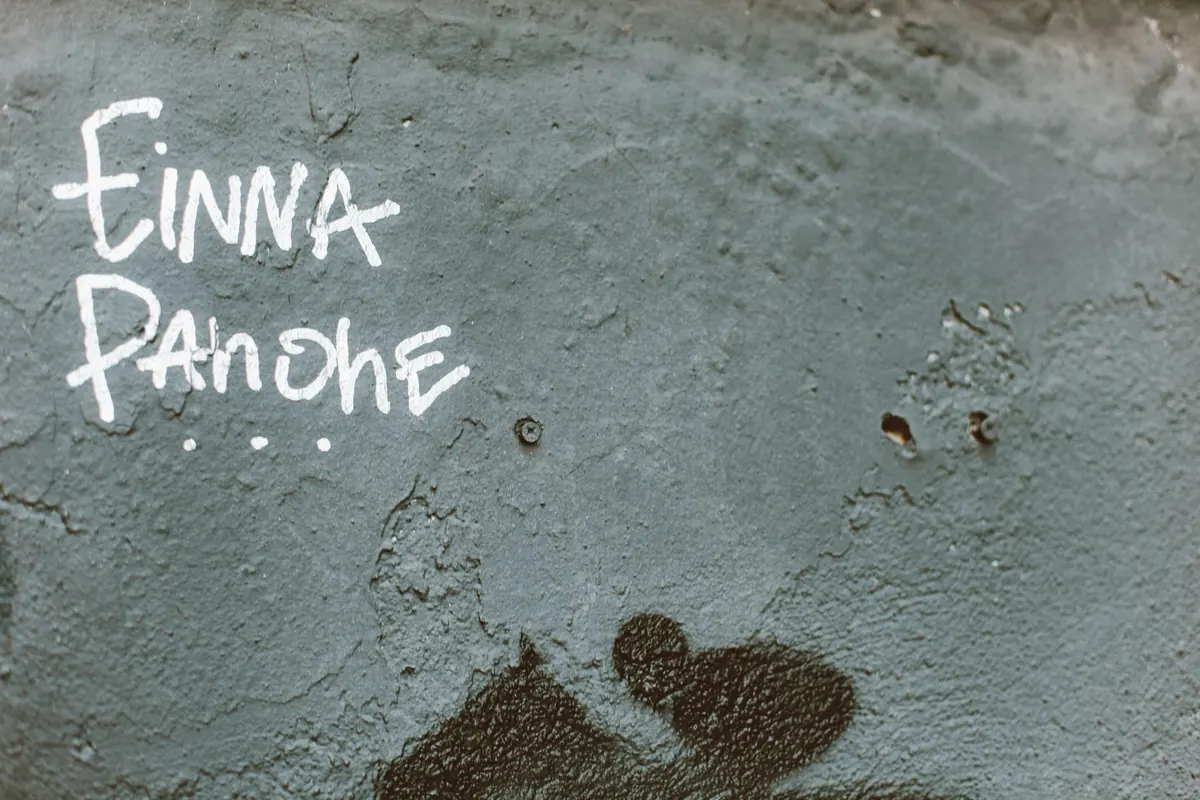
Street art is read in motion. You see it from a bus, from across the road, from a doorway. Scale is huge because the wall is huge. Texture is part of the image: brick, rust, peeling paint, cable boxes. A stencil on a clean gallery panel is legible; the same stencil on a rusted door is in conversation with decay.
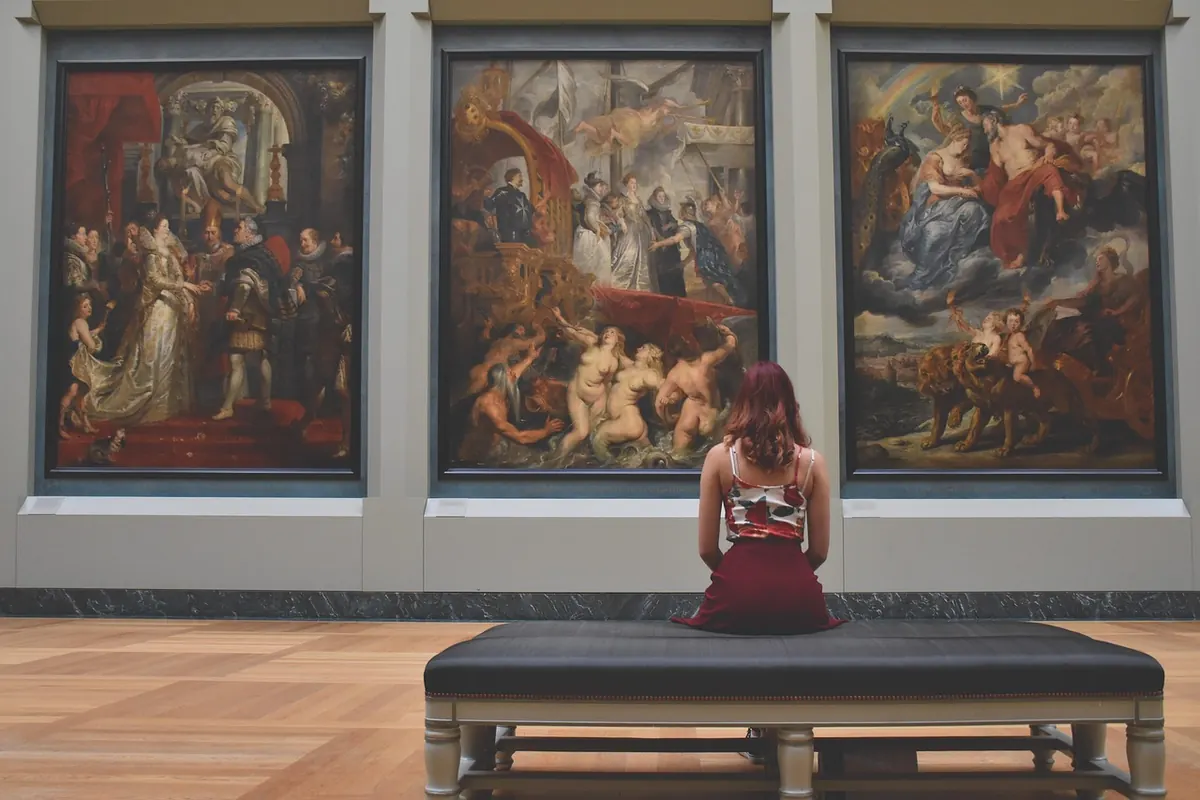
A gallery asks for a different kind of attention. The room is quiet. The light is controlled. You can step back, lean in, read the wall text, then look again. That can reveal details the street hides. It can also make the work feel more polite than it is.
Try this: on the street, look from a distance first, then close up, then walk away and look back. In the gallery, read the wall text once, then ignore it and look for two minutes without words. Compare what each setting lets you notice. The point is not to decide which is better. The point is to see how the frame changes the work.
A Practical Field Guide to Viewing Both
Use each setting for what it does well. The street gives you context, accident and scale. The gallery gives you time, explanation and a chance to support the artist. A few habits make both visits sharper.
On the street
- Start with a festival map or a known legal wall, then wander one block off the route. The side streets often hold the better pieces.
- Look up, down and behind: stickers, paste-ups, doorways, shutters and the backs of signs are part of the scene.
- Go early for clean light and fewer people, or late afternoon for shadows that reveal texture.
- Note the location and date of pieces you like. Street work changes fast, and your notes become a useful record.
- Respect residents and workers. Keep voices low, do not block entrances, and ask before photographing people.
In the gallery
- Check whether entry is free and whether works are for sale. A commercial room changes how you read the work, even if you are not buying.
- Read the wall text, then look again without it. See what the work does before the explanation takes over.
- Visit openings for conversation and quieter weekdays for looking. Both are useful, for different reasons.
- If you are buying, ask about artist fees, editions, condition and provenance. A good gallery will answer clearly.
Make a Day of Both
The best way to see street art in context is to stop treating the street and the gallery as rivals. Plan a route that includes a legal wall or a recent mural, a commercial gallery with a show that interests you, and a walk through a neighbourhood where the work is part of daily life. Take notes. Go back a month later. The wall will have changed; the gallery may have a new show. That contrast is the point. Use the gallery to slow down and ask questions. Use the street to remember why the work left the studio in the first place.
Photo: Pexels / Pixabay